SUMMARY OF THE PROBLEM
Northern Uganda and East Equatoria in South Sudan are recovering from over two decades of conflict, particularly the LRA insurgency and the impacts of COVID-19. Despite this progress, including government support and a return to peace, the regions face a mental health crisis among young people, who make up about 73.2% of the population, including refugees and internally displaced persons (IDPs).
A 2021 WHO report indicates alarming mental health statistics: 15% of the population experiences suicidal thoughts, while 21% face PTSD and depression. Anxiety disorders affect 2.9% of individuals, with additional issues like epilepsy and substance abuse prevalent. Many of these young people were either directly involved in conflict or were victims of violence, including sexual and gender-based violence (SGBV), during the war. Such traumatic experiences have resulted in long-lasting psychological effects, especially for women and girls who suffered severe abuses, including gang rapes witnessed by family members.
The COVID-19 lockdown exacerbated these issues, leading to over 17,000 cases of sexual violence against young women in 2020, according to UNFPA. Teenage pregnancies have disrupted education, limited opportunities, and increased the risk of further violence. Survivors face stigma, isolation, and poverty, complicating their reintegration into society and preventing them from acquiring necessary skills for employment.
Mental health services in these regions are severely lacking, with only 1% of health budgets allocated to mental health care. There are significant shortages of qualified professionals and medication, alongside prevalent stigma and discrimination against those seeking help. Without timely intervention, the emerging mental health crisis threatens to reverse the gains made in peace and recovery.
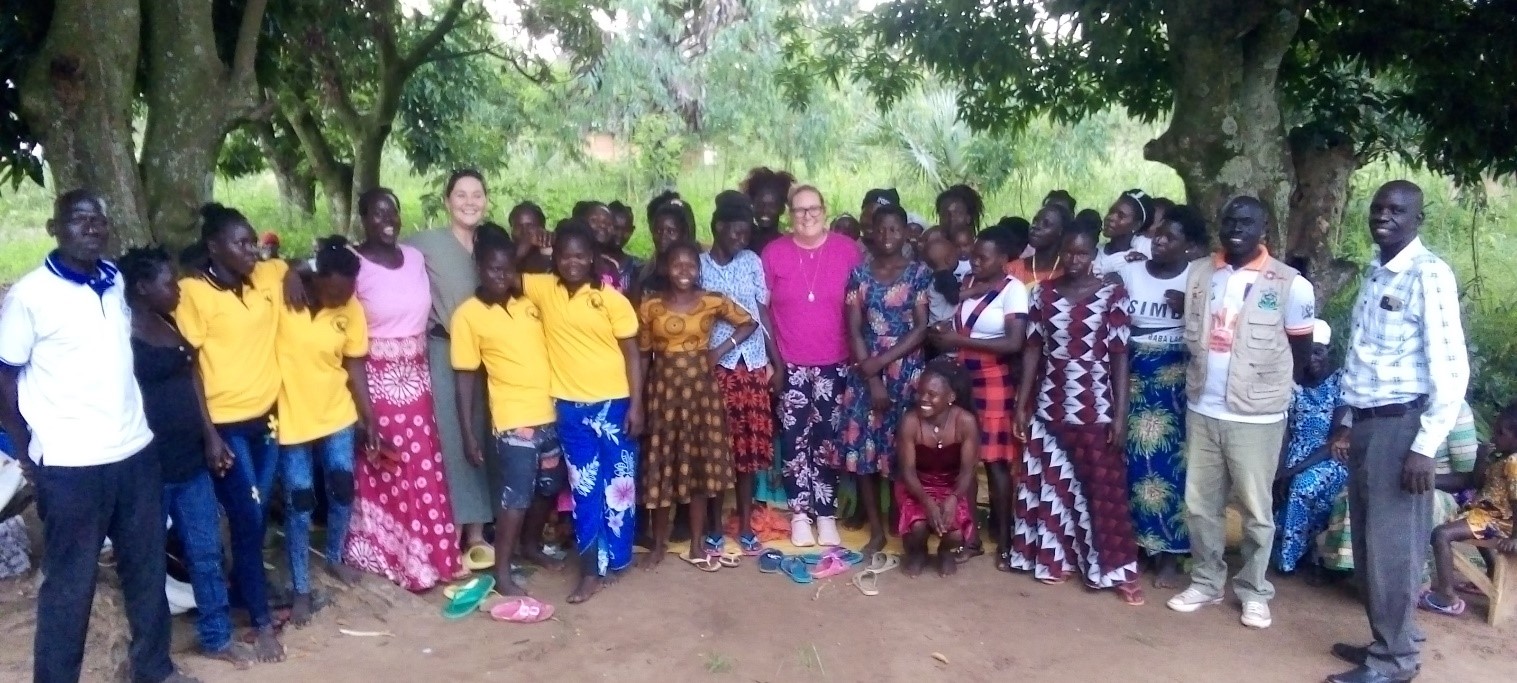
The proposed fund aims to support post-conflict recovery and resettlement for communities affected by conflict and COVID-19, specifically targeting South Sudanese refugees in Northern Uganda and internally displaced persons (IDPs) in Eastern Equatoria, South Sudan. The donations will assist the PACHEDO Foundation and its partners in addressing urgent mental health needs and the socio-economic challenges faced by young people (ages 10-24) and other marginalized groups.
Overall, these initiatives aim to build a robust framework for mental health care and socio-economic development, fostering resilience in young populations affected by trauma